Falling on the fourth day of Scholastic Journalism Week from February 23-27, National Student Press Freedom Day encourages upcoming journalists to fight for censorship-free environments. This year, the Journalism Education Association (JEA) created lesson plans for teachers to share with their classrooms about the essential role student journalists play within their communities. While empowering teenagers to act in ways that will benefit their future, this week emphasizes the dire need for stronger high school student journalist press protection.
“I think [student photojournalism] helps others see things from different perspectives. Some people may view a news story and think of something else, but with a photo, they can see it in a new light. If somebody is protesting and there’s no photo with it, they [the reader] might not know what they’re really fighting for. Even though there are words for it, a photo can show what’s on their signs, what their faces look like, or if they’re mad or sad,” senior and Yearbook Editor in Chief Serenity Norris said.
In alliance with the JEA, the Student Press Law Center (SPLC) inspires students, parents and lawmakers to act in their towns in various ways. For example, the SPLC lays out methods of action, including creating advertisement campaigns for one’s school or filming TikTok videos to educate minds on the goal of Scholastic Journalism Week. These ideas motivate high schoolers to engage with their peers, or even the SPLC, by donating to the cause or becoming involved with the passing of the New Voices legislation across the U.S. Through student advocacy for all 50 states passing New Voices, schools can restore the First Amendment for reporters.
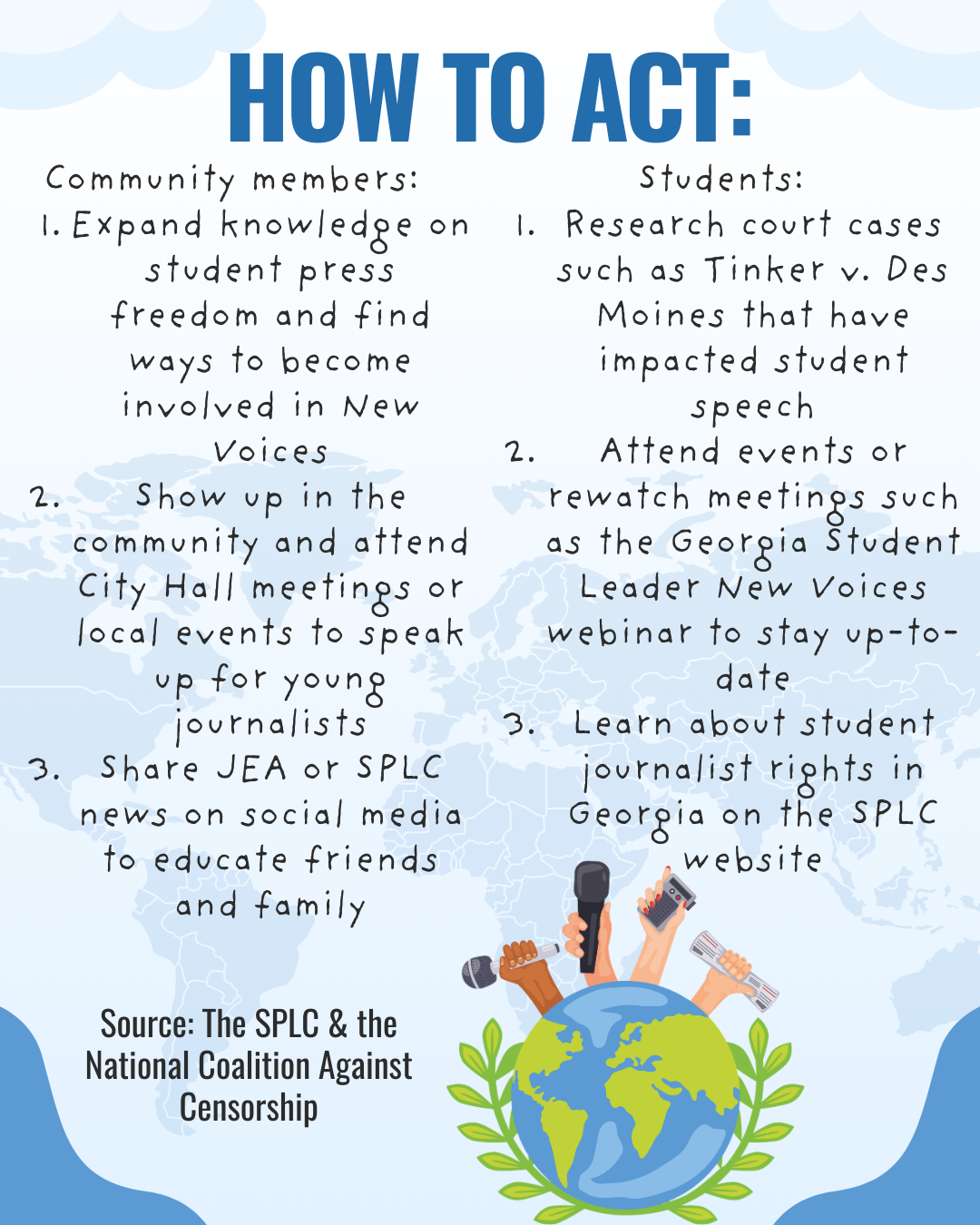
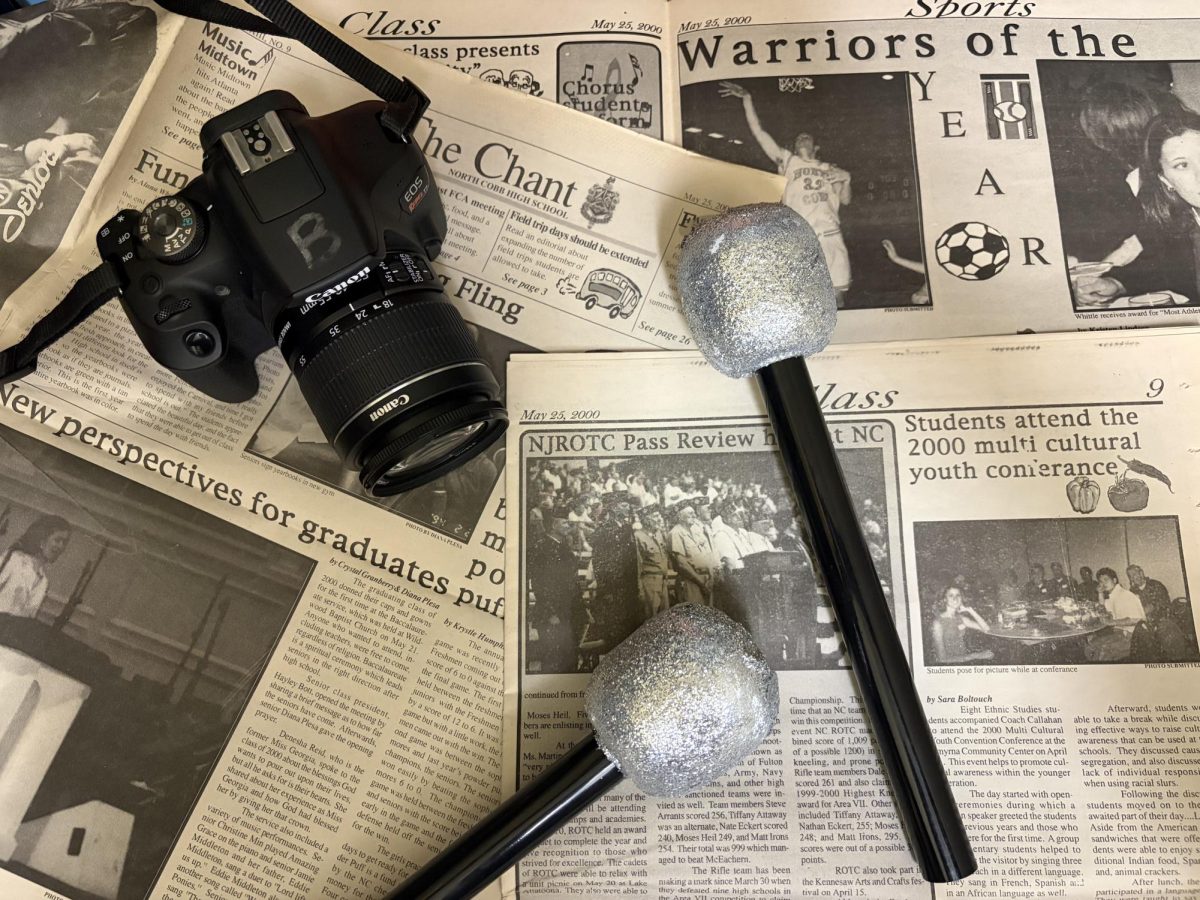
As Student Press Freedom Day fulfills its goal of advocating for student journalism, this year’s theme, Resilience in Action, focuses on the push and pivot of young writers. Resilience, defined as the ability for an individual or object to spring back after change or misfortune, wholly captures the essence of scholastic reporting. These future news anchors, editors or photojournalists must overcome barriers such as censorship to broadcast their voices out into the nation. At NC, staff members for The Chant or the Panorama Yearbook continue following their passions within these classes to radiate stories of the NC community. As these reporters and others from around the U.S. work toward advancing press freedom, Scholastic Journalism Week and National Student Press Freedom Day allow for a celebration of past, present and future accomplishments in the world of student journalism.
“I feel like Yearbook is so important because we always have to dig really deep to find out certain things, like some people have stories that others may not know. We can capture a photo and go back and understand it better. No one would know unless we interviewed them for it. It’s really sweet,” Norris said.


