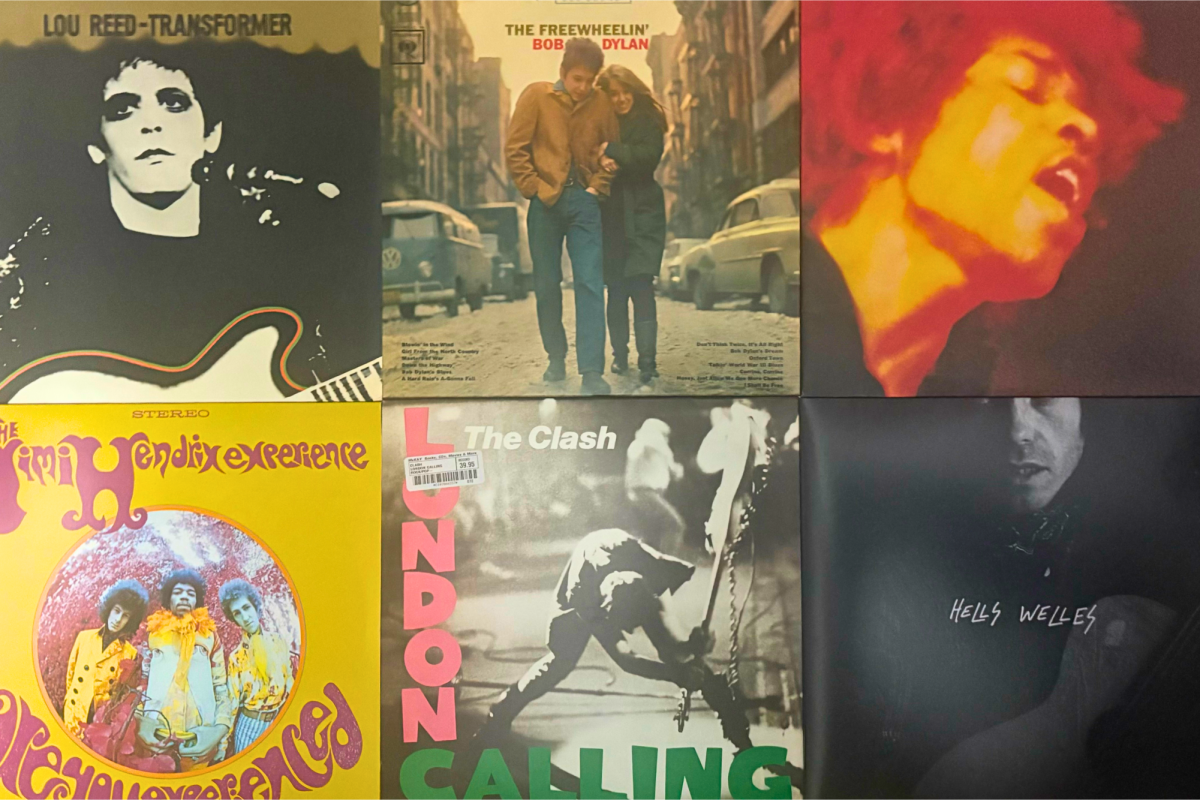



Social and political upheaval remains an inherent part of American culture as diversity defines it. As young people in particular create the change they wish to see in the world, youth culture has climbed to the forefront of each decade’s defining moments. This tendency grew as teenagers and young adults realized the shakiness of social norms, so the music they popularized, specifically in alternative spheres, became a soundtrack to how each generation reshaped the nation.
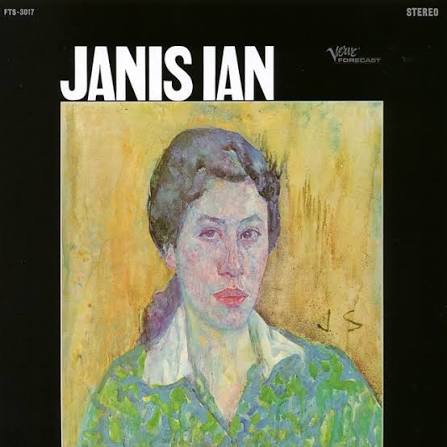
The 1960s: “Society’s Child” by Janis Ian, “Willy and the Poor Boys” by Creedence Clearwater Revival (CCR) and “Electric Ladyland” by Jimi Hendrix
The 1960s exploded with political tension arising from resistance to war, the fight for racial equality and a boom in feminist thought. In tandem with this era of swift change, the musical landscape reformed itself entirely with every passing day. Folk and rock blended in “Highway 61 Revisited” by Bob Dylan to criticize the war and other forms of inequality, while The Beatles entirely reinvented what music could encompass in “White Album.” Despite the near impossibility of narrowing down the decade’s soundtrack for rebellion, three albums truly stick out.
Given the de facto segregation that persisted in the nation even after its de jure outlaw in 1964, understanding the music of rebellion requires an awareness of the social situation people defied. While White and Black Americans doubtlessly shared goals and music tastes, to ignore the unique sounds that arose from both groups as they blended would discount the rebellion inherent in the music. “Society’s Child” takes a folksy approach to the intrapersonal problems that spring from American racism. Ian’s lyricism, while decidedly 1960s, maintains its poetic qualities and the basic truth that love should overtake hate.
CCR focused mainly on the class issues and the desire for peace, which diverse Americans experienced, but the White-dominated hippie culture of the late 1960s espoused. The 1969 album blends country influences with rock-and-roll to criticize established American pro-war and pro-capitalism norms. With the gruff tone in lead singer John Fogerty’s voice and the intense guitar power, this album, particularly the hit song “Fortunate Son,” haunts the soundtracks of movies old and new as protagonists turn against their mighty enemies.
Hendrix, known for his intensely skilled and unique style on the electric guitar, acted not only in protest through his music, but in his existence. As a figurehead in the hippie movement, the reinvention of rock-and-roll and youth’s general disillusionment with the status quo, he broke down the segregated nature of music at the time, pairing rock-and-roll with rhythm & blues (R&B) and soul. Songs such as “A Merman I Should Be” use imagery to portray the atrocities of war. Though the album focuses on intrapersonal connection and love, Hendrix draws on his experiences to create a uniquely against-the-grain record for an equally rebellious crowd.
The 1970s: “London Calling” by The Clash and “What’s Going On” by Marvin Gaye

In the 1970s, the fights of the 1960s reverberated as environmental issues became increasingly prevalent and feminism picked up steam. Disco slowly became a safer space for LGBTQ+ expression, women’s rights and racial equality, while the burgeoning punk scene in the U.K. and the U.S. represented young people’s distrust toward the government, materialism and persisting proxy wars. The diverse musical landscape of the 1970s blended international music, such as reggae, with a classic American sound, but two albums continue to define the social upset which characterized the decade.
“London Calling” entered record stores in the decade’s final month, but it caps the punk movement well. With lyrics actively speaking to the unease young people felt about the looming threat of nuclear war and the crumbling ecosystem, The Clash called their listeners to become outspoken. The album, now platinum, climbed the charts in America, and the hit single “Train in Vain” encouraged its rocketing popularity. This song, part break-up anthem and part class war battle cry, connected with its mates on the record to disrupt mainstream rock music and forced people to understand what Joe Strummer saw.
In stark contrast, “What’s Going On” redefined R&B, and though it does not fully fall into the dance-heavy funk, soul and Latin blend which characterized 1970s disco, the album doubtlessly paves the way in theme and sound. Gaye’s upbeat, grooving sound contrasts with the confusion and dissatisfaction he portrays with his voice. “What’s Happening Brother,” asks the listener about war, job instability and hate, while songs such as “Right On” dig into themes of injustice. In later albums by true disco titans, such as Sylvester, the themes and musical reinvention that Gaye championed would provide another layer of inspiration for the sparkling genre’s combined cynicism and celebration. Through this music, spaces would further open up for unabashed self-expression.
The 1980s: “Pornography” by The Cure, “She’s so Unusual” by Cydni Lauper and “All Hail the Queen” by Queen Latifah

In the 1980s, a booming economy, an increasingly individualistic society, the final breaths of the Cold War, the surge of women in the workforce and the full realization of the American “teenager” combined to create a glittering popular culture. Unfortunately, anxiety around the economy, the state of democracy and the AIDS crisis left a smear of dust over the shiny plastic appearance of the decade. Musicians, including Elton John and Bronki Beat, leveraged their star power to bring awareness and fundraise for this crisis in particular. Consumerism, though rampant, became an object of rebellion for youth, particularly those affected by the ever-widening wealth gap. Standing against disingenuous happiness, sexism and other socio-political controversies, three albums housed by three genres each speak to youth organizations for cultural upheaval and gender equality. Compared to previous decades, American rebellion in the 1980s rested on individual choice, creativity and grassroots organizations rather than national mobilized action; plenty of spaces for activism succeeded in prompting change, including the AIDS Coalition to Unleash Power.
The Cure’s 1982 album, “Pornography,” graced the ears of goths across the world. The teenager-dominated post-punk audience for this album starkly contrasted their classmates’ “preppy” personas. The record focuses on a fascination with death and the complicated nature of dysfunctional relationships, but a fog of social dissatisfaction clouds each song’s vibrating synths and teary vocals. The apparent impossibility of a kinder world appears in the first song, “One Hundred Years,” with the lyrics, “Stroking your hair as the patriots are shot/ Fighting for freedom on the television/ Sharing the world with slaughtered pigs.” This overarching dissatisfaction, paired with a feeling of helplessness, persists across the rest of the album and the goth subculture as a whole, prompting rebellion against the 80s’ prescribed trends and consumerism paired with typically left-leaning, anti-authoritarian political ideologies. In particular, the group’s open sadness and interest in death challenged the blind positivity promoted elsewhere in tandem with their obscure personal styles. Additionally, while lyrics generally emphasized introspective themes, The Cure wrote them in a world ravaged by war and classism, statuses which come through in the scenes the songs describe and the dissatisfaction they express.
“I think that the album rebelled against social norms at the time because you have these guys with spiked up hair wearing lipstick and eyeliner who really weren’t as popular as, let’s say, Bret Michaels or Axl Rose, who were the icons of music at the time. Everyone pictured these hot, buff guys to be singing songs about love, and then Robert Smith was just a skinny 18-year-old kid writing about death. I also think that it really helped the U.K. new wave come about because a lot of bands in that time were trying to find their footing, and I think The Cure really helped give that to them and to the kids who were alternative,” junior Marly Jo Shafer said.
In response to the sexism that plagued the music industry and, by extension, any space women occupied, Cydni Lauper created “She’s So Unusual.” The danceable album challenges fear of existing outside the norm, simultaneously embracing the decade’s individualistic outlook while rejecting the judgement which accompanied it. Lauper discusses materialism, women’s freedom to explore different paths and other shifting dynamics in the decade. For those interested in rejecting the grip of corporations and the power of taboos, this album provided a gateway to open oddity within the realm of popular culture.
Another pioneer for women in the music industry, Queen Latifah pushed herself to the forefront of hip-hop and rap; furthermore, she pushed the genre to the forefront of pop music. “All Hail The Queen” actively challenges the patriarchal standard in rap music and the overall entertainment industry. Latifah opens the album, challenging the audience’s immediate assumptions about her goal with the piece as she states, “This ain’t the best you’ll ever hear coming from a female MC.” Latifah’s pride in her background as a Black American remains evident in her style and even the album’s cover; still, her unabashed identity did not limit the album’s reach as it hit number six on the hip-hop and R&B charts. Her unique style and lyrics, which called for respect for women and the unification of Black intention in spite of systemic issues such as poverty and violence, allowed her to quickly build the identity she would continue to cultivate across her career. The 1980s take off of hip-hop, a movement for which she acted as a founding member, increased the visibility of the Black experience.
The 1990s: “Evil Empire” by Rage Against the Machine and “Vs.” by Pearl Jam
The 1990s, with greater totality, resisted the colorful enthusiasm characteristic of the preceding decade. Social movements became increasingly visible as they advocated for gay rights and economic reform, while the Latin American youth of America’s West Coast reimagined the Chicano Movement of the 1960s and 1970s. Metal, grunge and other alternative rock genres, such as indie, sprung up in a continued effort to disengage from conspicuous consumerism and the polished sounds which accompanied it, and these genres grew to diversify the introspective tones of their 1980s brothers and sisters with direct political commentary.
In tandem with this rock movement, rave culture entered the scene, with electronic dance music (EDM) spawning far-reaching communities. This uptick in rave culture became especially pertinent for revolutionaries in Chicano, environmentalist and leftist spaces as increasingly creative methods, such as in the Reclaim the Streets movement, for activism incorporated raves to advocate for workers’ issues, the end of police brutality, environmental action and immigration rights. Artists such as Beck and Quetzal blended genres from different cultures and histories to synthesize new sounds, which called for community action and support.
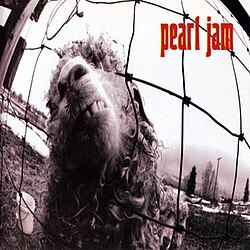
“Vs.” by Pearl Jam would become a silent album without the almost eerie warnings it offered about gun violence and authoritarianism. “Glorified G,” for example, mocks the weak and individualistic arguments frequently used even now by fierce and literal defenders of the Second Amendment. Now, however, these arguments fight not just theoreticals, but the real threat imposed by the uptick in mass shootings. As a foundational grunge band, Pearl Jam steered the hull of youth counterculture in the 1990s alongside groups such as Nirvana. As the band decries child abuse, obsession with guns and toxic masculinity, it shifted the minds of its listeners toward a stance that supports communities that uplift and protect each other. As a result of the musical shift that “Vs.” exemplified, Generation X came to starkly contrast the conservative values of their predecessor.
Rage Against the Machine, a rap metal band deeply intertwined with leftist action, cemented its place in protest music with every step it took. Between the band’s 1999 benefit performance for Mexico’s Zapatista Army of National Liberation and the simple lyrics in every song, their political stance lacks deniability. Their 1996 album, “Evil Empire,” pairs with the musical and rebellious culture of 1990s teenagers and young adults as it touches on topics such as imperialism and oppression through poverty. Considering lead singer Zack de la Rocha’s mixed identity, including his Mexican-American roots, his criticism of Latin American oppression comes as no surprise. With the biting lyrics, powerful drums and heart-shaking bass sounds, the album remains characteristic to its era and genre, building off of the strides made by hip-hop and rock artists in previous years.
The second half of the 20th century raged with musical development as a whole. With rock and roll’s rise, The Beatles and their contemporaries’ complete redefinition of the genre, and the following years, which embraced diverse cultures, melodies and themes, music in itself became a form of rebellion. Still, no new generation has remained fully complicit in the actions of their forefathers, and the protest of their society’s flaws comes through in rapidly developing musical reinvention.
Read part 2, “From the 2000s to the 2020s: The popular albums which defined American rebellion in each decade” here on The Chant!