


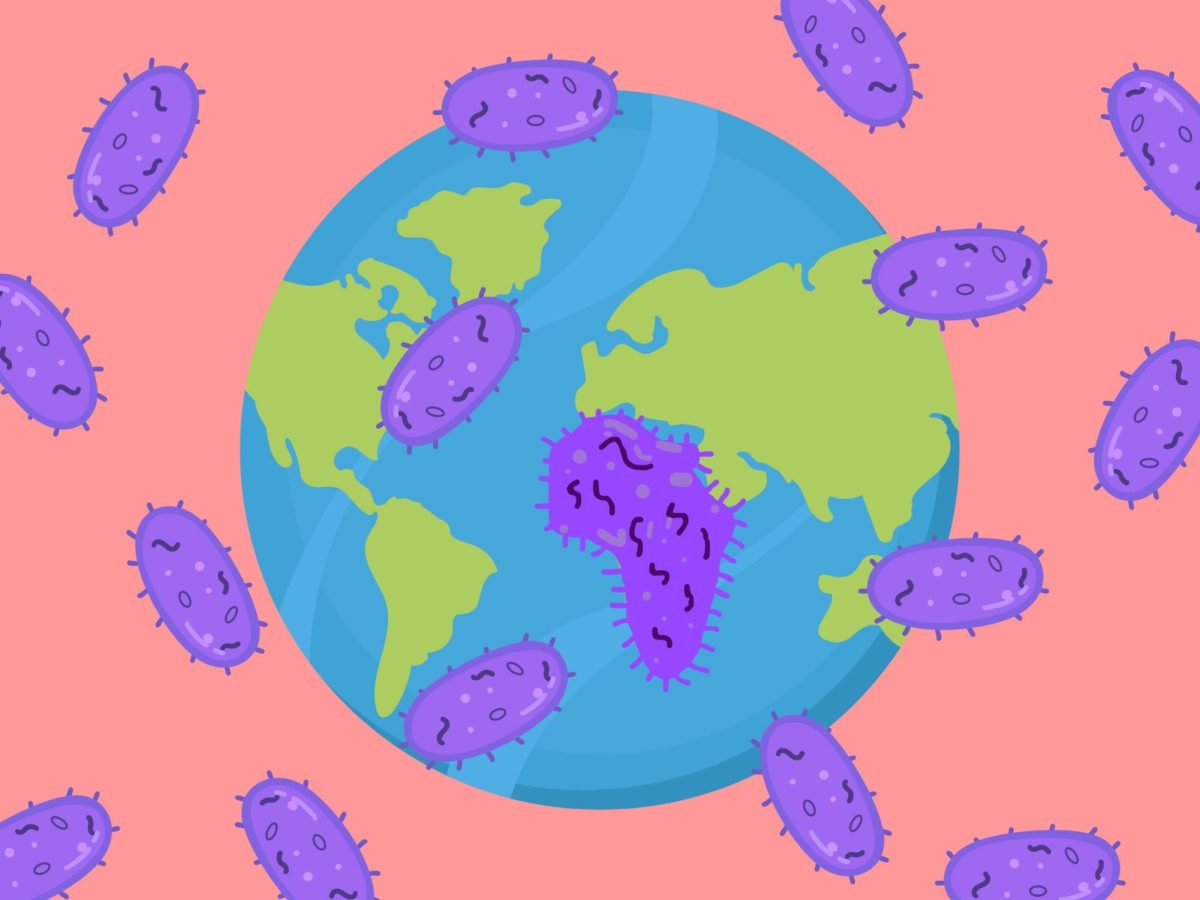
For decades, Vibrio Cholerae, or Cholera, persisted as a major public health issue in Africa, leaving widespread illness and mortality in its wake. In the past months, medical officials have stated that Africa faces the widest-ranging Cholera outbreak in 25 years. November 13, 2025, the Africa Centres for Disease Control and Prevention (CDC) declared around 300,000 confirmed and suspected cases of Cholera so far this year, with an additional 7,000 deaths. The affected countries, including Angola, the Democratic Republic of Congo, Sudan, and others, continue to face severe repercussions from the recent outbreaks.
In the late 1960s and early 1970s, Africa endured waves of Cholera outbreaks. These breakouts, known as The Seventh Pandemic, left a devastating trail of death and economic disparity in their wake. While experts argue over the direct causes, scientists can tie back Cholera’s origins to contaminated food or water, poor sanitation and hygiene and rapid urbanization. In light of these outbreaks, the immense strain on healthcare systems and workers also perpetuates the increase in Cholera deaths and the inability to prevent it from spreading further. Cholera remains a continuous public health issue rather than a series of isolated events.
“Some [water-borne] diseases like Cholera have the ability to transfer from person to person and via water. So if you don’t have a way to ensure water sources are clean, people will continually be infected and be a vector for transmission. For a lack of proper infrastructure for sewage, one of the easiest ways that water quality is threatened is through improper drainage, and it often ends up in water sources. Oftentimes, there are no regulations or policies to separate sewage and drinking water, allowing for more people to get sick,” AP Environmental Science teacher Julie Hopp said.
Within the past year, an increase in floods and droughts contaminated water sources, further disrupting sanitation and destroying healthcare systems. In countries such as Somalia and South Sudan, current conflicts led to massive displacement, destruction of infrastructure and a lack of access to clean water, creating ideal conditions for outbreaks. Local refugee camps, another result of humanitarian crises, also face severe outbreaks. These conditions exacerbated the variety of economic and political issues left behind by European colonialism.
As experts point out, without newly sanitized water, governments or healthcare workers can not effectively control or prevent future outbreaks. Economists estimate that increased private and government investment may improve these conditions by installing new sanitation infrastructure. Governments can also utilize vaccine campaigns to prevent citizens from contracting the disease in the first place. Increased vaccinations would also require infrastructure and technology to produce and distribute, which could stimulate the economy. The Global Task Force on Cholera Control (GTFCC) hopes to reduce Cholera-related deaths by 90% and eliminate the disease from 20 countries by 2030, a goal only achievable with the cooperation of each Cholera-affected country and donor investment.
“The global community can strengthen early-warning systems and rapid-response teams by funding international health organizations and improving disease-surveillance networks in low-resource countries. Socially, investing in community health education and training local health workers helps build trust and ensures faster containment when outbreaks occur. Politically, nations can coordinate fair vaccine distribution and support stronger public-health infrastructures so poorer countries aren’t left vulnerable during global health emergencies,” magnet sophomore Eisan King said.
While the Cholera vaccine may help prevent short-term spread, long-term solutions, which require monetary investment, prove significantly tougher to implement. Particularly, political instability and constant conflicts in the region prevent officials from properly addressing the disease. To eradicate Cholera, governments worldwide must work together to strengthen case surveillance and response.