


2026 rolls in with yet another wave of trends and brain-rotting jokes to cling to. As the need for quick dopamine rises, so does the polarity of society. With the current state of the world, people cling to their communities and niches, or tight-knit communities of people who rally for the sake of a common interest, seeking comfort and community. Individuals attempting to separate themselves from the growing and increasingly apathetic mainstream groups may seem like a plague of main character syndrome across the U.S., but in reality, these individuals search desperately for a place to belong.
“I have wanted to be a part of something niche before, who hasn’t, though? Here’s the thing: there’s no feeling of being special. In a big majority group, no one is special. Like, if most of the population is involved in something, then no one is special,” junior Morgan Lackey said.
Social media roots itself deeply in the hearts and minds of anyone unfortunate enough to succumb to its siren call. The thrill of constant and cheap dopamine hits entices those who traverse the sites. Those who detest the craze toward fast flashes of dopamine form separate subgroups, or niches, to escape from the desensitized crowd. Yet, this quick and easy happiness passes and harms the human condition overall. Short attention spans distinguish modern society from any previous time period; this fuels the culture that craves surface value pleasure and turns away anyone who prefers lasting happiness. In the interest of maintaining authenticity, internet users founded a plethora of subgroups within every social media platform. Individuals escape into less-known groups or niches to unite with other like-minded individuals. Anyone who dislikes the idea of cheap pleasure and its vast consequences prides themselves on escaping mainstream culture.
The desire for community rings true to everyone, as dictated by human nature. When an individual does not feel heard or accepted in a community, they turn to one where they do. Social media’s prominence contributes to influencers’ rise to near-idol status in the eyes of their followers. The closeness and support people seek from these influencers’ communities tends to fall short and opens the door for new niches within the media.
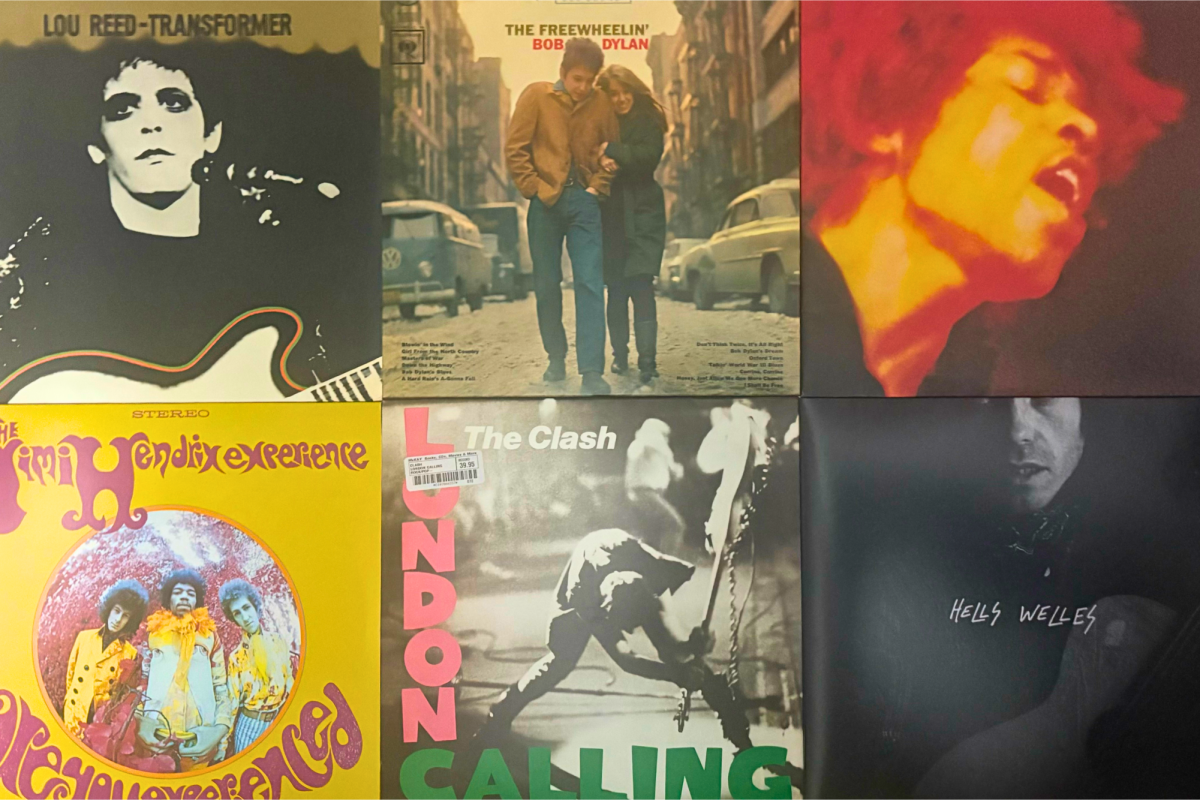
Music stands as a key example of the rising trend in nicheness. Humans use music to express themselves, whether through lyrics or fashion trends inspired by the genre. As individuals drift away from mainstream interests and root themselves within niche communities, they discover lesser-known music that flies under the radar of common media. Back in the 90s, before alternative rock became widely accepted, listeners found comfort in the authenticity of their favorite artists. Nirvana, for example, started out as an underground band, playing their concerts at local venues and friends’ garages. Once “Smells Like Teen Spirit” hit the radio and the band ascended to fame in record time, the band members themselves became outraged. Not because the band wanted to seem niche or cool, but because now that they held such a vast following, they felt as though a piece of their authenticity vanished.
As the number of individuals listening to alternative and indie music rises, music fans race to find artists and genres that feel unique to them. With all of the music streaming and producing platforms currently available, mountains of aspiring musicians can now write and produce their own music. This vast number of platforms increases the availability of niche music and allows people to feel connected with their favorite artists, further fueling the desire for community.
“I was involved in a niche fanbase for the band Wet Leg, and they have started becoming mainstream; now it’s on the radio, too. It’s upsetting because I feel like a follower, a loser essentially, instead of my own person. If they gain popularity, their concerts will become more expensive, and it’ll feel less authentic,” sophomore Olivia Muller said.
As society becomes increasingly polarized and the amount of social unrest rises, people seek like-minded individuals in whatever ways they can. Music provides an easy way of forming communities and establishing a unique group apart from mainstream communities. These niche subgroups allow members to feel seen and heard in a way that appears impossible in extensive mainstream groups. While looking in from the outside, individuals who hold underground interests may come across as pretentious or posers; everyone simply longs for a place where they feel like they belong. While a majority of internet traversers enjoy existing as a part of the crowd and fitting in with their peers, those who crave a deeper level of authenticity opt to instead to seek out alternatives. When an individual sees another who prefers a niche artist or interest, they should cast no judgment and instead applaud that person for figuring out the right place for them.